Fiber Insulators

Roll Back Your R-Value Requirements by Adding Air Sealing

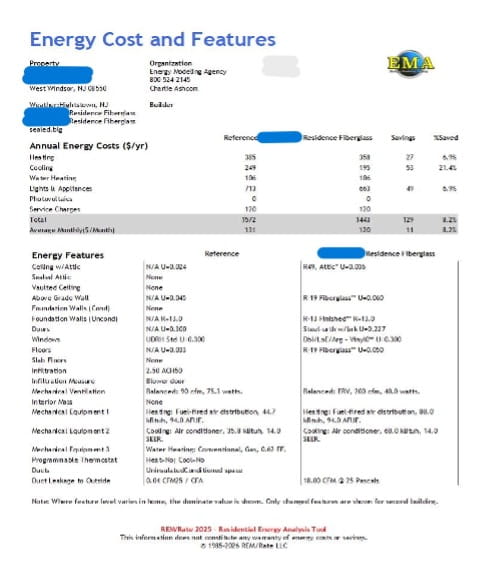
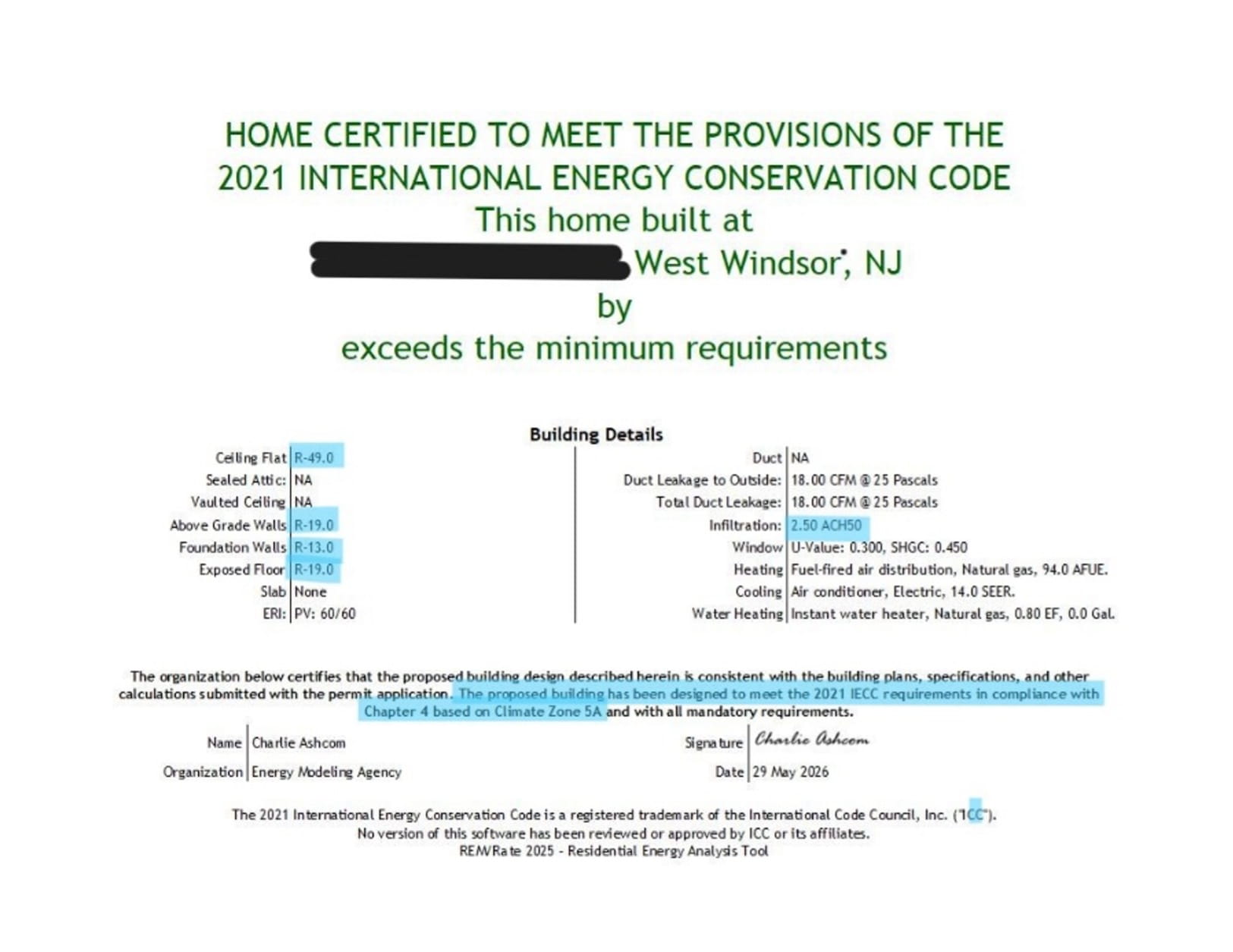
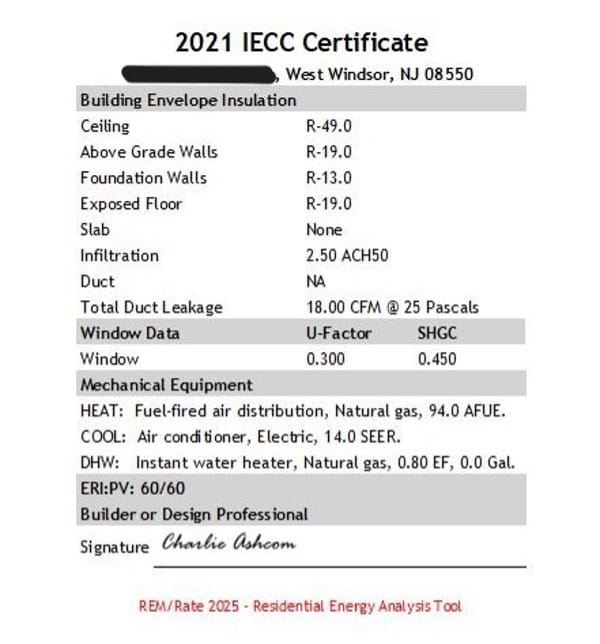
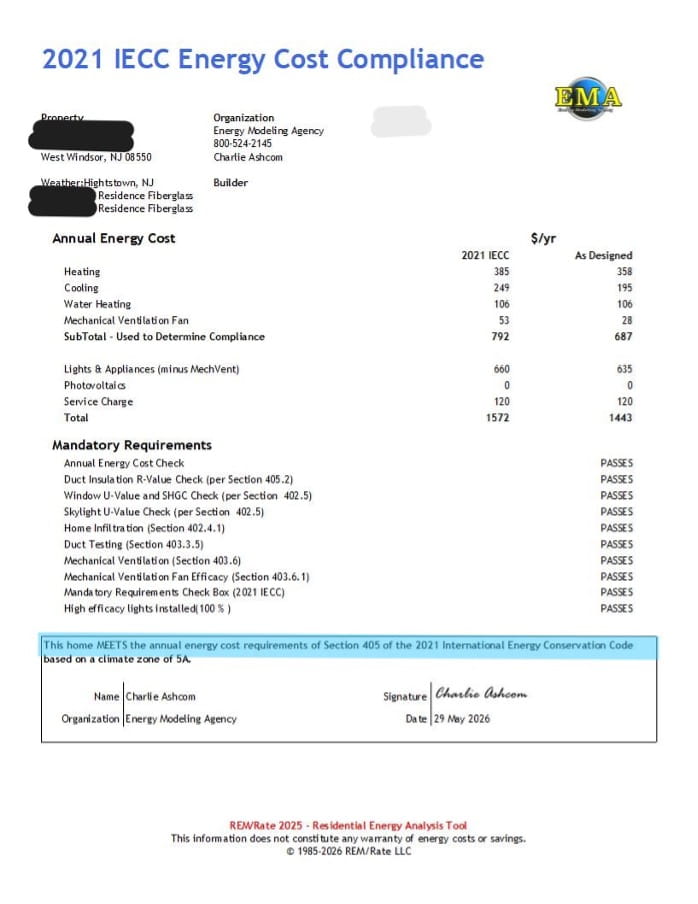
When fibrous insulation is paired with proper air sealing, it can perform at the level the code intends, and EMA can prove it. We provide Energy Code Compliance reports that certify your installation meets current code requirements at a reduced R-value, so you can keep installing the products you know and win more jobs in the process.

(AS LOW AS R19 walls, R19 floors and R38 attic)
There Are Two Ways to Use EMA

1. Use as a Sales Tool

Purchase a compliance report to add value to your business. Use the “as designed” energy comparison to demonstrate performance, and provide the code compliance certification directly to the Code Official.

2. Refer a Customer

The homeowner purchases the compliance report directly. You provide the estimated R-values, and the homeowner submits the EMA compliance packet to the Code Official.

Why R-Value Requirements Keep Climbing

Fibrous insulation, including fiberglass batts, blown cellulose, and mineral wool, works by trapping air pockets between the fibers. The trapped air is what actually provides the insulating effect; the fibers just hold it in place.

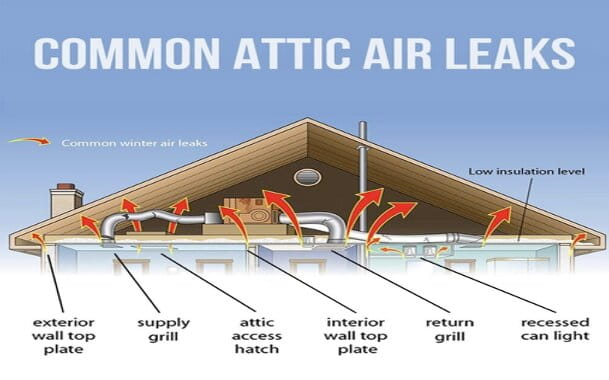
The catch is that fibrous insulation materials behave a lot like an air filter. They’re designed to let air pass through, which means any air infiltration, convective looping, or gaps in the building envelope can reduce the insulation’s performance significantly. Building codes have responded by raising R-value requirements over the years, but a higher R-value alone doesn’t solve the problem. Air sealing does.

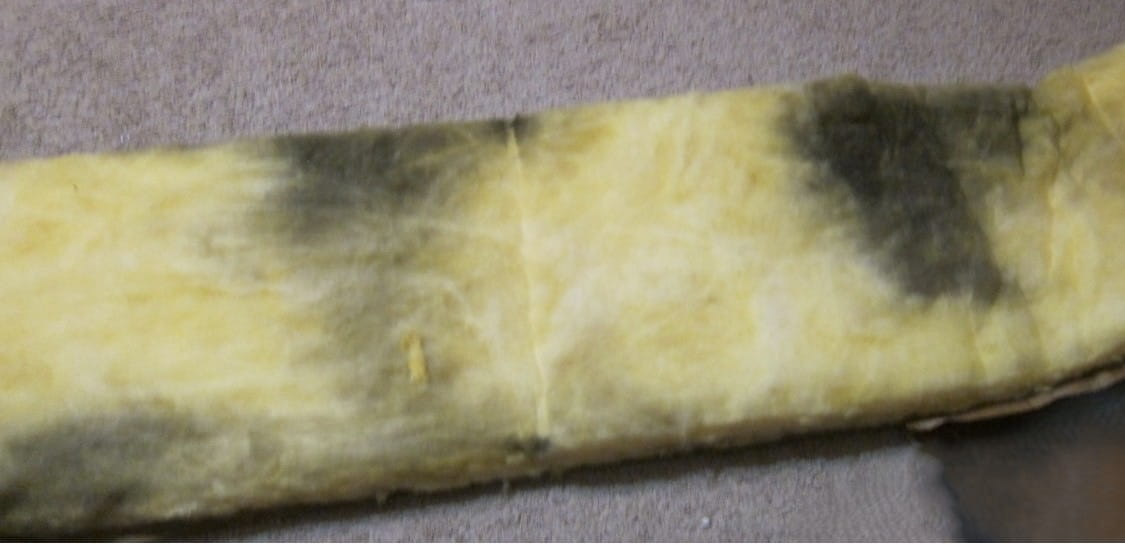
This is what airflow through a fiberglass batt looks like. It’s filtering instead of insulating.

How to Roll Back R-Values and Still Meet Code

When fibrous insulation is installed alongside proper air sealing measures, it can perform at exactly the level the code intends. EMA can model that performance and certify it.

Using the Simulated Performance path under Section R405 of the 2009-2024 IECC, EMA generates a compliance report that shows your installation meets or exceeds code requirements at a reduced R-value.

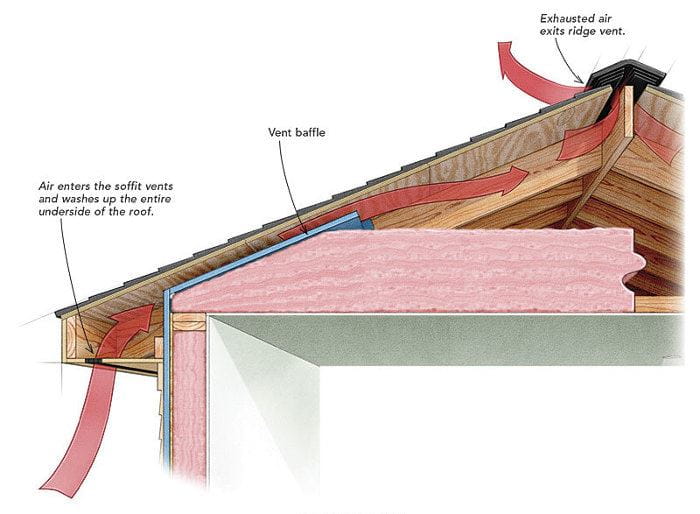
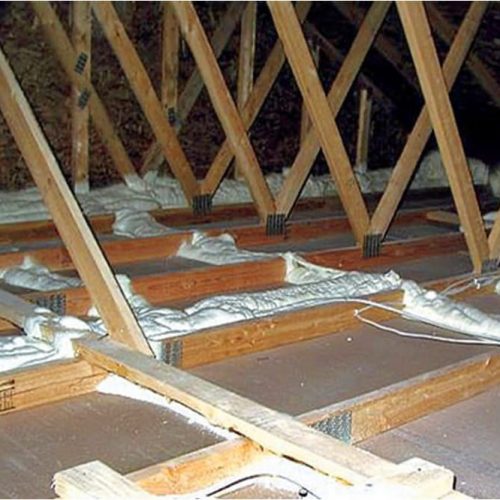
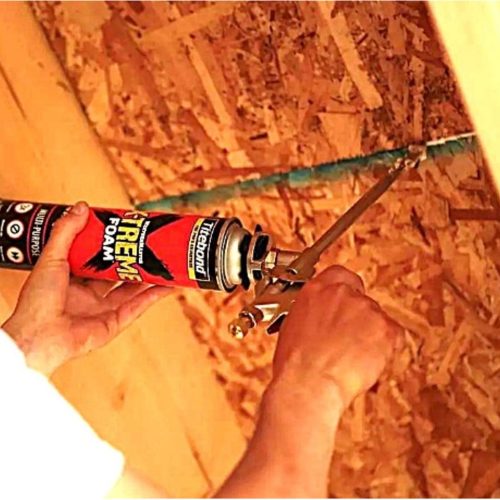
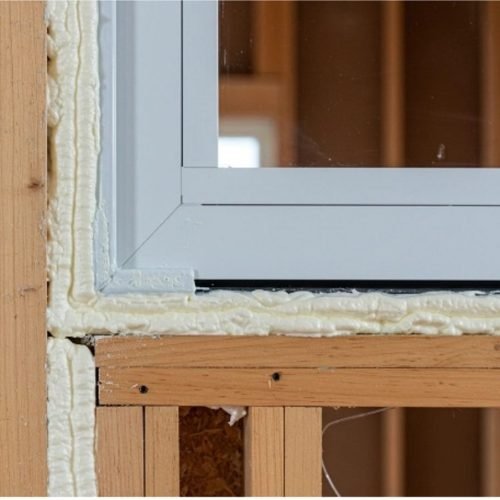
The air sealing work that makes this possible starts in the attic, where baffles direct airflow around the insulation rather than through it, and all penetrations are foamed and sealed. At the walls, windows, and rim joists, gaps, seams, and framing connections are sealed, and rim joist air leakage at the foundation is addressed.

Attic Air Sealing

Seal Walls, Windows, and Rim Joists

Seal Walls, Windows, and Rim Joists example

Once those measures are in place, EMA handles the energy modeling, documents the compliance, and delivers a certification you can take straight to the code official.

The Process

Purchase your compliance report below, complete the questionnaire, attach your prints, and submit. EMA will return a complete compliance packet that you forward directly to your local code official for approval. For best results, share this with your code official before the insulation goes in.

Purchase Your Report

EMA has helped insulators across the country win more jobs and meet code with confidence. Your compliance packet will be ready to forward directly to your code official.

"*" indicates required fields

Name*
Price: $199.00
Feed Required: To use the Stripe field, please create a Stripe feed for this form.